
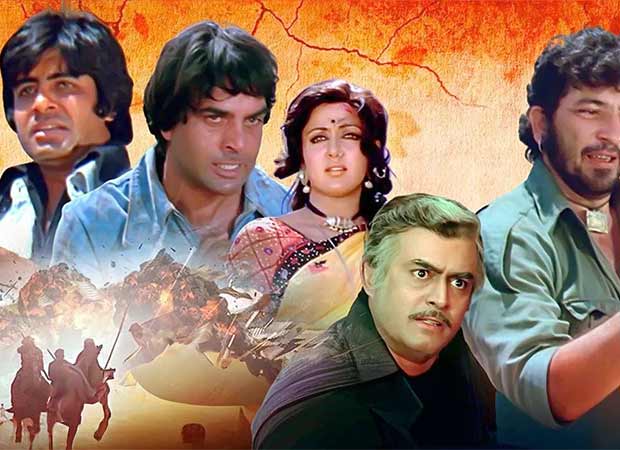
Ramesh Sippy’s legendary film Sholay is set to return to cinemas in a stunning 4K restored edition titled Sholay – The Final Cut, releasing on December 12 across more than a thousand theatres. This fully restored version brings back the film’s original essence, including the reversal of the controversial dialogue change from “James Bond” back to “Tatya Tope” — though marketing clarifies the latest cut features “James Bond” once again.
Neeraj Joshi, Head of Marketing & Strategy, explained, “Originally, the line referenced ‘Tatya Tope.’ It was later changed to ‘James Bond’ to make the dialogue more relatable. For this release, it’s ‘James Bond’ again.
”Directed by Ramesh Sippy’s nephew, Shehzad Sippy, this edition honors the film’s timeless appeal with enhanced production quality, iconic dialogues that have become ingrained in Indian pop culture, and unforgettable performances. The Final Cut includes three crucial scenes restored to the narrative: a powerful confrontation where Sachin Pilgaonkar’s character bravely faces Gabbar (originally portrayed differently), a poignant moment of Thakur’s loyal aide Ramlal hammering nails into Thakur’s shoe soles, and the dramatic climax where Thakur stomps on Gabbar with his spiked shoes.
Meanwhile the news is getting viral at the moment on social media:
‘SHOLAY’ RETURNS TO CINEMAS ON 12 DEC 2025 – THIS TIME IN ITS UNCUT, ORIGINAL VERSION… Presenting the trailer of #Sholay: The Final Cut.
Restored in 4K with Dolby 5.1, the film releases on 12 Dec 2025 – marking the first-ever theatrical presentation of the original uncut… pic.twitter.com/ahiv7ifTlp
— taran adarsh (@taran_adarsh) December 5, 2025
This restored climax also features a new emotional scene showcasing a shared moment of grief between Thakur (Sanjeev Kumar) and Veeru, adding depth never seen before. Shehzad Sippy revealed the restoration process took three years. “Credit goes to the original cast and crew for creating this masterpiece and to the Film Heritage Foundation for their incredible restoration work. I’m thrilled we can now present the makers’ original vision fifty years later, preserving this classic for future generations. I hope audiences experience it on the big screen for the first time, and not the last.”